When it comes to esthetician client retention automation, the ability to automate rebooking processes can significantly impact the growth and sustainability of your business. As an esthetician, nurturing relationships with your clients is crucial for long-term success. However, the manual effort required to remind clients about their appointments, follow up post-treatment, and encourage rebookings can be both time-consuming and overwhelming. This is where automation comes into play, offering an efficient way to enhance client retention without sacrificing the personal touch that your clients appreciate. Utilizing tools like Make.com, specifically through workflows such as the Automated Sales Machine (WF8), can transform your business operations. With automation, you’re not just saving time; you’re building a more reliable and consistent client management strategy that keeps clients coming back.
Automation is not magic, and like any tool, it requires an understanding of your business processes and some initial setup time. But, it’s about smartly using technology to take repetitive tasks off your hands, so you can focus on what truly matters—providing exceptional service to your clients. In this article, we’ll explore the benefits and strategies of esthetician client retention automation by focusing on rebooking techniques. We’ll dive into practical steps to automate your rebooking process, understand how to personalize automation for your clientele, and discuss the learning curves that come with implementing such solutions. By the end, you’ll have a comprehensive understanding of how automation can fit seamlessly into your client retention strategy, allowing you to nurture relationships and grow your business more effectively.
The Importance of Rebooking in Client Retention
Client retention is the lifeline of any esthetician’s business. While acquiring new clients is essential, maintaining and nurturing existing relationships is where long-term business growth happens. Rebooking is a critical aspect of this retention strategy. It not only ensures a steady flow of income but also enhances the client’s experience by providing regular treatments that meet their aesthetic needs. This consistent engagement builds trust and loyalty.
However, the traditional approach to managing rebookings often involves manual processes. Manually tracking client appointments, sending reminders, and following up can be cumbersome, especially as your client base grows. This is where esthetician client retention automation becomes a game-changer. By automating rebooking processes, you ensure that no client falls through the cracks due to human oversight or time constraints.
With tools like the Automated Sales Machine on Make.com, you can set up a system where rebooking reminders are triggered automatically, ensuring that your clients are gently reminded to book their next session at the optimal time. This not only saves administrative time but also enhances the client experience by providing timely communication that feels personalized. Imagine having a system that sends out a perfectly timed email or SMS to your clients, reminding them of their next appointment based on their treatment cycle. Such an approach not only improves retention rates but also demonstrates a high level of professionalism and care.
Automation also enables more personalized communication. By integrating client data, such as previous treatments and personal preferences, into your automated workflows, you can customize your messages to reflect individual client needs. This personalized touch, delivered through an automated system, keeps clients engaged and more likely to return. It’s about striking the right balance between technology and personal service, ensuring that your business is both efficient and client-centric.
How to Automate Rebooking Processes
Embarking on the journey of esthetician client retention automation for rebooking requires a thoughtful approach. It begins with mapping out your current client management processes to identify the pain points that automation can address. The goal is to streamline these processes, reducing manual effort while enhancing efficiency and client satisfaction.
First, assess your current workflow. Consider how you currently manage bookings and rebookings. Do you manually reach out to clients after each appointment, or is there a scheduling system in place? Understanding your starting point is crucial for designing an effective automation strategy that complements your existing practices. For most estheticians, a hybrid approach that combines manual and automated processes works best initially.
Next, choose the right tools. Platforms like Make.com offer versatile solutions for automating client interactions. For instance, using the Automated Sales Machine workflow, you can set up triggers that automatically send rebooking reminders post-appointment. This workflow can integrate with various platforms, such as email and SMS services, to ensure that clients receive communication through their preferred channels.
Customization is key. While automation handles the heavy lifting, you’ll want to ensure that each interaction feels personal and relevant. This might involve segmenting your client list based on treatment types, frequency of visits, or preferences, and tailoring your automated messages accordingly. Personalized messages that reference past treatments or suggest new services based on client history can significantly enhance the client experience.
Additionally, testing and optimization are crucial components. As with any new system, there will be a learning curve. Start small, perhaps with a subset of clients, to iron out any issues before scaling your automation efforts. Regularly review the performance of your automated rebooking processes, gathering feedback from clients and making necessary adjustments to improve efficiency and effectiveness.
Personalizing Automation for Client Engagement
Personalization is the cornerstone of a successful esthetician client retention automation strategy. While automation aims to make processes more efficient, it should never come at the expense of the personal touch that clients expect and appreciate. The key is to blend technology with personalization to create a seamless and meaningful client experience.
One of the most effective ways to personalize automation is through data-driven insights. By leveraging client data, such as appointment history, treatment preferences, and feedback, you can tailor your automated communications to meet individual client needs. For instance, if a client regularly books facials and has expressed interest in skincare products, your automated messages could include personalized recommendations for products or upcoming promotions related to facials. This level of personalization ensures that your communications remain relevant and valuable to each client.
Automation tools like Make.com are designed to integrate seamlessly with CRM systems, allowing you to pull in relevant client data automatically. This integration enables you to create dynamic content within your automated messages, ensuring that each interaction feels bespoke. The result is a client experience that is both efficient and highly personalized, enhancing client satisfaction and retention.
Furthermore, consider segmenting your client base to deliver more targeted messages. By grouping clients based on specific criteria, such as the type of treatments they regularly receive or their booking frequency, you can tailor your automated campaigns more effectively. This segmentation allows you to deliver messages that resonate with different client groups, enhancing engagement and encouraging rebookings.
Finally, never underestimate the power of feedback. Encourage clients to share their thoughts on the automated communications they receive. This feedback will provide invaluable insights into what’s working and what can be improved, allowing you to refine your automation strategy continuously. By actively listening and responding to client feedback, you demonstrate that you value their opinions, further strengthening the client relationship.
Overcoming the Learning Curve of Automation
Implementing esthetician client retention automation is not without its challenges. Like any new technology, there is a learning curve involved in setting up and managing automated systems. However, understanding these challenges and proactively addressing them can lead to a more seamless integration into your business operations.
One of the initial challenges is selecting the right tools and platforms that align with your business needs. With numerous automation solutions available, it can be overwhelming to choose the best fit. It’s essential to conduct thorough research, consider your specific requirements, and perhaps seek guidance from automation experts to make informed decisions. Make.com, with its range of workflows like the Automated Sales Machine, offers a robust solution designed specifically for businesses like yours.
Another common hurdle is the technical setup and customization of automation workflows. While these tools are designed to be user-friendly, a certain level of technical understanding is required to configure them effectively. This is where investing time in training or seeking expert assistance can be invaluable. Workshops, online tutorials, and consultations with experts can accelerate your learning and boost your confidence in managing these systems.
Once your automation systems are in place, ongoing maintenance and optimization are necessary to ensure they continue to meet your business goals. Regularly review the performance of your automated processes, identify any areas for improvement, and make necessary adjustments. It’s also important to stay updated on new features or updates from your automation platform to leverage the latest capabilities.
Finally, communication with your team and clients is critical during this transition. Ensure that your team is well-informed about the new processes and trained to manage any client inquiries that may arise. Transparency with clients about the benefits of automation, such as more timely and personalized communications, can also enhance their acceptance and satisfaction with the new system.
By recognizing and addressing these challenges head-on, you can effectively integrate automation into your client retention strategy, ultimately leading to a more efficient and successful business.
Conclusion
Incorporating esthetician client retention automation into your business strategy is a powerful way to enhance client relationships and drive long-term success. Through automation, you can streamline rebooking processes, ensuring consistent client engagement while freeing up valuable time to focus on delivering exceptional services. By implementing personalized, data-driven automation workflows, you create a client experience that feels both efficient and uniquely tailored to individual needs.
While the journey to automation involves overcoming certain challenges and learning curves, the rewards are well worth the effort. Investing in the right tools, such as Make.com, and seeking guidance from experts can significantly ease this transition. Moreover, by continuously optimizing and personalizing your automated systems, you ensure that they remain aligned with your business goals and client expectations.
Ultimately, esthetician client retention automation is not just about technology; it’s about building stronger, more meaningful relationships with your clients. By leveraging automation strategically, you position your business for sustained growth and success in the competitive beauty industry. As you embark on this journey, remember that the key to successful automation lies in balancing efficiency with personalization, ensuring that your clients feel valued and understood every step of the way.
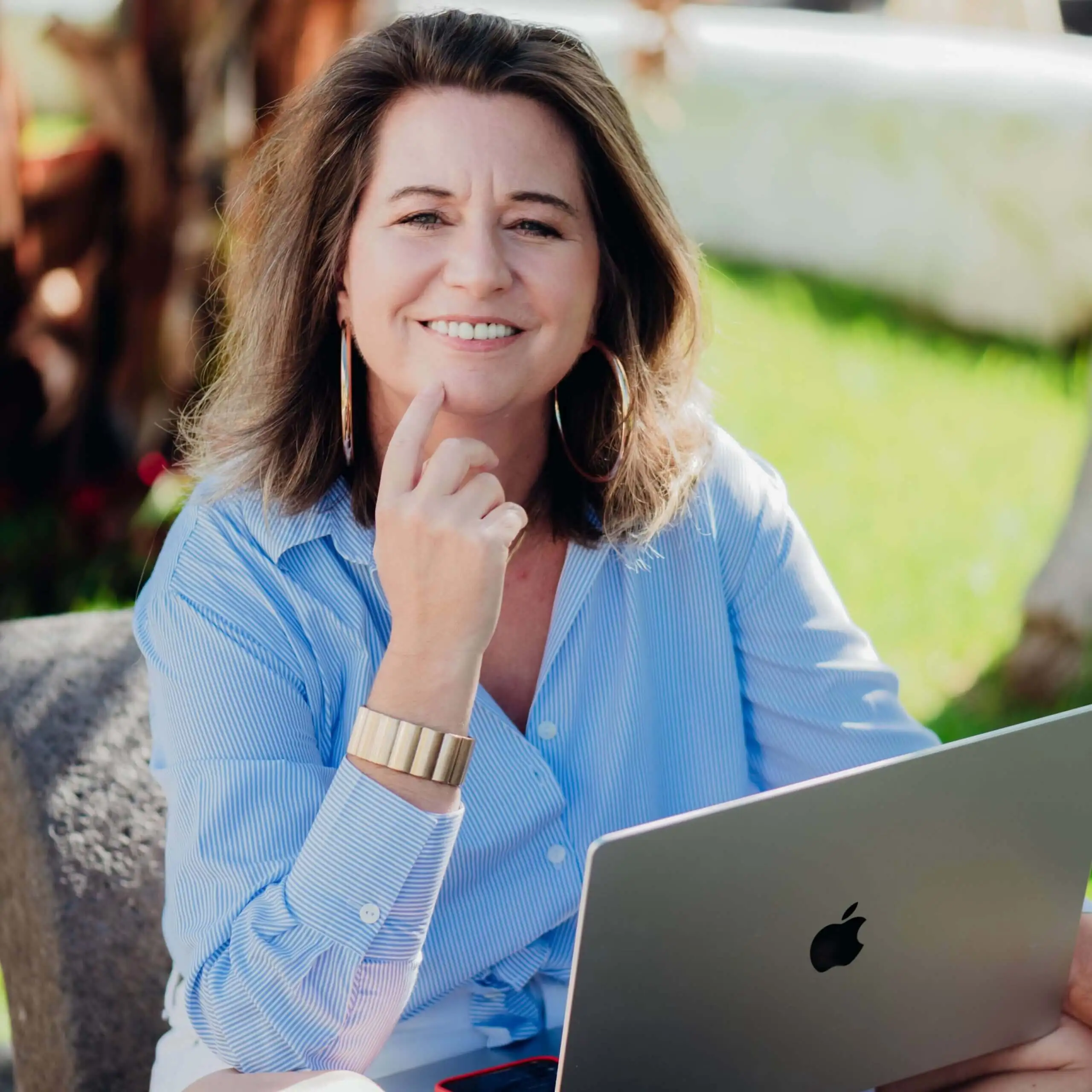
Susana Toth
Make.com Certified Expert & Founder, La Maquina Studio
Susana Toth is a Make.com Certified Expert and the founder of La Maquina Studio, where she helps small businesses and consultants eliminate repetitive work through smart automation. With 20+ years of experience in web design, business consulting, and digital strategy, she builds practical AI-powered workflows that save hours every week — without writing a single line of code. She writes about Make.com automation, AI integration, and building systems that work while you don’t.
Learn more about me →